NC Integrated Care for Kids (NC InCK): Helping NC Families Get the Support They Need

NC InCK was created to help make getting support easier for families with children enrolled in Medicaid in Alamance, Durham, Granville, Orange, and Vance counties.

Families helped shape NC InCK from the beginning. From 2020 to 2026, caregivers, young people, schools, healthcare providers, community organizations, and dedicated NC InCK councils worked together to make sure the program met the real needs of children and families.

Read why NC InCK mattered, how we strove to understand the whole child and family, and how we connected families to the right support at this link.

School-based Supports and Interventions in Rural Counties Integrated Care Rounds (August 2026)

Description

NC InCK’s August 2026 Integrated Care Rounds focused on access to school-based supports in rural counties and the key role schools play for rural families.

Click this link for the August 2026 Integrated Care Rounds slide deck.

Key Takeaways

  • In rural communities, access to care can be challenging as resources tend to be more limited or spread out, and many families don’t have access to reliable transportation. Schools are playing an increasingly important role in addressing gaps in behavioral health and social needs by partnering with local organizations who meet students where they are to provide meaningful services.
  • Care managers can play a key role in helping families understand and connect to supports available through their local school community. Teachers, counselors, administrative staff, and student support services faculty are key school partners who you can connect with to learn more about these resources and enroll in them.
  • Many adolescents today are navigating issues related to their family, social media, peer/romantic relationships, health related social needs, and other local community stressors. School-based mental health programs can guide youth through these challenges with referrals and a range of services like psychiatric consults, therapy, medication management, parent workshops, and other in-person or telehealth providers.
  • Young people have the right to honest reproductive health information and the necessary tools to protect themselves and safeguard their health. In North Carolina, parents or guardians need to opt their students into these courses, and they are often supportive of them. Some high schools may offer trauma-informed sexual health education courses where students can learn about families, relationships, puberty, anatomy, sexually transmitted infections, sex trafficking, and many other important topics such as self-advocacy.

Supporting Families in the School System​ Integrated Care Rounds (March 2026)

Description

NC InCK's March 2026 Integrated Care Rounds discuss navigating school services for students and their families. This session shares helpful resources that care managers and providers can use to assist families.

Click this link for the March 2026 Integrated Care Rounds slide deck.

Key Takeaways

  • Encourage families to request interpreters in advance and ask for clarification before signing documents. Schools must provide families with qualified interpreters at meetings, key documents in the family’s language when possible, and full understanding before consent is signed. Students and untrained staff should not be used as interpreters. 
  • Care managers can play a key role in helping families understand their rights and prepare for school meetings: Under the Individuals with Disabilities Education Act (IDEA), parents have the right to request evaluations at any time, provide consent before services begin, and receive evaluation reports in advance of meetings. Parents are also entitled to participate as equal members of the IEP team and may request independent evaluations or pursue dispute resolution options if they disagree with school decisions. 
  • Be alert to patterns where behavioral issues are addressed without evaluating academic needs and support families in advocating for appropriate services and protections: Students with disabilities are about twice as likely to be suspended, with even higher rates for students with emotional disabilities and for students of color. 
  • Care managers should actively coach families to submit written requests (email is sufficient) for special education evaluations. Families have the right to request evaluations at any time—and it should be in writing. This creates documentation, triggers timelines, and increases accountability from the school. 

Resources

Supporting Healthy Eating on a Budget Integrated Care Rounds (January 2026)

Description

NC InCK's January 2026 Integrated Care Rounds discuss food security and eating healthy on a budget. This session shares helpful resources for families, including ways to maximize WIC and SNAP benefits.

Click this link for the January 2026 Integrated Care Rounds slide deck.

Key Takeaways

  • Food insecurity is a health and safety issue, not just a nutrition issue. Inconsistent access to healthy, adequate food is strongly linked to poorer physical health, behavioral and school challenges, caregiver stress, and increased interaction with child and adult support systems. Recognizing food insecurity as a preventable risk factor is critical to early intervention and long-term family well-being.
  • Healthy eating on a limited budget is possible with practical, realistic strategies. Small, actionable changes like using canned and frozen vegetables, choosing store brands, and shopping sales can meaningfully improve diet quality without increasing costs. Care managers play a key role in sharing these strategies with families in a judgment-free, culturally responsive guidance way.  
  • SNAP and WIC are essential tools and care managers can help families stay enrolled. Care managers can support families by educating them about the enrollment process; facilitating recertification by encouraging families to keep contact info updated in ePASS/with their local DSS office; and helping families navigate newly expanded SNAP work requirements, including connecting them to options to meet requirements like volunteering or employment programs. Proactive support helps ensure families maintain access to food at all times. 

Resources

LGBTQIA+ Guide

This guide is designed to support NC InCK Family Navigators, care managers, care coordinators, and support staff in, understanding the needs of LGBTQIA+ youth, effectively engaging LGBTQIA+ youth and their families, and integrating the care and supports LGBTQIA+ youth need to thrive.

Autism Spectrum Disorder (ASD) Integrated Care Rounds (May and June 2025)

Description

NC InCK's May and June 2025 Integrated Care Rounds discuss autism spectrum disorder (ASD) through a trauma-informed, strengths-based lens. These sessions share practical resources and insights that offer a deeper understanding of how we can best support individuals with ASD and their families.

Click this link for the May 2025 ASD Integrated Care Rounds slide deck.

Click this link for the May 2025 ASD Integrated Care Rounds slide deck.

Key Takeaways

  • Autism spectrum disorder (ASD) presents with varying degrees of severity and may require different levels of support. If developmental concerns are present, getting evaluated can be critical to accessing services and supports.
  • Evaluation referrals can be made by the individual’s pediatrician, primary care provider, or school for students in grades K-12. Due to the volume of referrals, individuals are encouraged to get on several wait lists and to follow up often on any cancellations or no-shows.  
  • While waiting for an evaluation, learning more about autism spectrum disorder is encouraged, as it can provide helpful context and informed decision-making. It may also be helpful to practice coping skills while not in a state of crisis to reduce the inability to access them during times of stress. 
  • Getting connected to therapies- such as outpatient behavioral health, speech/occupational/physical, or music/art/equine- could also be beneficial while waiting to be evaluated. 
  • Most individuals with an autism spectrum diagnosis will be eligible for tailored care management provided by the MCO specific to their county. 

Resources

  • Autism Society of NC (ASNC) - Aims to improve the lives of individuals with autism, their families, and communities through advocacy, education and direct services. ASNC offers a directory of resources for evaluations, support groups, training, and advocates for policies that support the needs of individuals with ASD.
  • Children’s Developmental Services Agency (CDSA) - Provides early intervention supports and services for families and their children ages 0-3 with special needs in the form of assessments and evaluations, service coordination, and transition planning. 
  • Exceptional Children’s Assistance Center (ECAC) - Provides information, support, training, and resources to assist families caring for individuals with special needs from birth to age 26. 

Meet Kirsten Alfaro, Early Childhood Integration Consultant

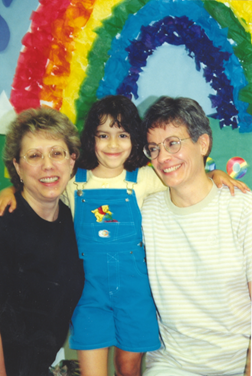
Kirsten, age 4, at Head Start graduation

Hi. I’m Kirsten (she/ella), and I’m the early childhood integration consultant (IC) at NC InCK. I provide trainings, resources, and hands-on support to care managers (CMs), who in turn, pour into the families we serve. CMs facilitate access for families, and our IC team has the unique opportunity to consider how we can build their capacity and knowledge in different child-serving sectors.


About Me

  • I was born in Yucatán, Mexico, and raised in Minnesota.
  • I’m a Head Start kid and the oldest of four siblings.
  • I was the first in my family to go to college, and my siblings followed.

These things have shaped how I walk through this world- they inform my work and fuel my passion to be a catalyst for change. I believe that every child deserves a safe home, nutritious food, and a caregiver who feels empowered, not overwhelmed. I also fundamentally believe in equitable access to healthcare and education. I’m sure most can agree both are important and complex systems, especially when they intersect, and even more so for historically marginalized families.


"Aren’t there programs and services designed to walk alongside families?”

Yes, and yet two of the biggest existing challenges we come across are that:

  1. Many families (and family advocates) aren’t aware of all the resources available to them.
  2. Those who are informed often face barrier after barrier—whether it’s fear, waitlists, turnover, funding, transportation, literacy, and more.

We often hear that “investing in a child is investing in the future,” but what does that really mean? What do we invest in, where, when, and for how long? Research says birth to age five are the most critical years in a person’s development. The first five years aren’t a phase—they’re the foundation on which we not only catalyze a successful academic career but also achieve better health outcomes1. However, our state and country are grappling with the effects2 of child-care deserts3, underfunded pre-K programs, and the expiration of federal pandemic-era stabilization funds. And while policymakers continue to debate solutions, children and families are often navigating fragmented systems alone.

I’m not saying I have the answer—but I said what I said. We’ve got work to do.


What I Do and Why It Matters

Building Capacity for Care Managers: ICs organize monthly Integrated Care Rounds (ICRs) with subject-matter experts based on the CMs’ needs. Alongside the ICRs, ICs create resources companions, author in-depth core child service area guides, and one-pagers for best practices on connecting families to specific supports. Part of our “secret sauce” is connecting families to various economic supports—even community events like Roll Up & Enroll or NC MedAssist—to help reduce out-of-pocket costs.

Navigating the Early Childhood Program:
When 2025–2026 applications opened for NC Pre-K, Early Head Start, and Head Start, I saw a chance to simplify a complex process. Because the programs differ across our five counties, I gathered key info—eligibility, links, and contacts—and created tools and trainings for NC InCK CMs supporting families with young children. My efforts meant that across our 23 CMs, more than 350 opportunities were created to effectively discuss early education and childcare with families with children ages 0-5. Investing in the development of our CMs not only impacts children currently enrolled in NC InCK, but extends to any family they work with.

When I joined NC InCK, I took on the Early Childhood Innovation Committee, a quarterly virtual space for early childhood leaders and advocates to share updates, network, and align on goals. I think there is so much room for creative collaboration, and I urge us all to be curious. Ask questions. Reach out. Celebrate each other. I don’t know how to fix fragmented institutions, but I think collectively, we can figure it out. Truthfully, sometimes I still wonder what leading the committee “should” look like, but I suppose it’s like most things: model the change you want to see.


References:

  1. CDC Archives. (n.d.). Archive.cdc.gov. https://archive.cdc.gov/#/details?url=https://www.cdc.gov/policy/hi5/earlychildhoodeducation/index.html
  2. Crisis in childcare and the state of work in America. (n.d.). KPMG. https://kpmg.com/us/en/articles/2024/may-2024-childcare-crisis-state-work-america.html
  3. Strengthening Child Care in Rural North Carolina: Why Your Voice Matters | North Carolina Early Childhood Foundation. (2025, April 22). North Carolina Early Childhood Foundation. https://buildthefoundation.org/2025/04/strengthening-child-care-in-rural-north-carolina-why-your-voice-matters/
  4. Dukes, K. (2025, May). Child care programs consider closing following the end of stabilization grants. EdNC. https://www.ednc.org/05-01-2025-child-care-programs-consider-closing-after-stabilization-grants-end/

Author:

kirsten alfaro

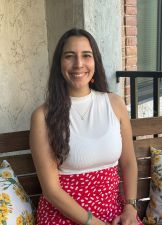
Kirsten Alfaro serves as the Early Childhood Integration Consultant within Families and Communities Rising for the NC Integrated Care for Kids (NC InCK) Model. Kirsten holds a Bachelor’s Degree in Psychology and Linguistics with a Minor in Chicano-Latino Studies from the University of Minnesota. She has served as a Bilingual Family Advocate with Durham Children’s Initiative, a Youth Director with the YMCA, and a Sr. Outreach Coordinator—advocating for farmworkers’ access to healthcare.

May 2025 NC InCK Newsletter

In the May 2025 edition of the NC InCKlings newsletter, you'll find updates, insights, and opportunities to engage with NC InCK. Topics include:

  • Upcoming Events
  • NC InCK: 2024 in Review
  • NC InCK Research
  • Community Engagement Efforts

To receive future updates, you can email info@ncinck.org to join our mailing list.

The May 2025 NC InCKlings is available at this link.